
Risk management is the core of commercial insurance. You know you have to protect your business from lawsuits, like if an employee is injured on company property, as well as from disasters such as fire or theft. However, not all damages are physical and not all claims are made by third parties. There are times when you will need errors and omissions (E&O) insurance or employee practices liability (EPLI) coverage. So, let’s examine what these policies cover and where they differ.
E&O Insurance
It’s easy to imagine a construction site requiring liability insurance in the event of an injury, or a supermarket needing a policy to cover a customer who slips and falls in the store. A general commercial liability insurance policy would cover these types of accidents. Product liability insurance would protect against a product’s failure. This is all damage that we typically hear about. However, what about damages that aren’t visible? If your company provides clients with advice or services, you likely need E&O (also known as professional liability). In the past professional liability was for professionals such as doctors or lawyers, whereas E&O was for semi-professionals such as accountants or financial advisors. But now, the terms are used interchangeably. E&O insurance protects you against claims of:
Bad advice
Many clients rely on professionals, such as lawyers and consultants, for sound, practical, and specialized advice. If a client receives advice from a professional and their expectations are not met, the client may sue. A client may file a lawsuit, for instance, if a personal trainer advises their client to do certain workouts or stretches that lead to muscle strains or injuries. Another example, say a hairdresser advises a client to use a certain product for their hair that leaves them with damaged hair or skin problems.
Negligence
When a professional fails to provide the standard level of care they are negligent. A judge may find a doctor negligent if, for instance, he or she fails to review a patient’s chart before prescribing an allergen-containing medication. If a financial advisor disregards all warnings about a company’s financial health and recommends stocks that ultimately fail, they can be sued for negligence.
Slander or libel
If a professional publicly expresses unfavorable or incorrect opinions about their client, they can be sued for slander. False or derogatory written statements are considered libel. Either scenario can lead to a costly lawsuit.
Omissions
An omission is the failure to provide important information that could alter a client’s decisions. For instance, if a real estate agent fails to mention that a home is in a flooding zone or has extensive damage from past problems the new homeowner could sue them for not giving them all of the facts.
Mistakes
Even the most professional people in the world can make mistakes. If a client is harmed or loses money due to an error made by a professional such as an attorney, doctor, accountant etc. They could file a lawsuit even though the error was not intentional.
Cost of E&O
The cost of E&O is determined by a number of variables, including the type of business, its location, and any prior claims you’ve had to pay out. Due to the increased underwriting risk, E&O insurance may be more expensive or have less than favorable terms for a person or business with a lengthy history of litigation issues. On average, E&O insurance can cost between $500 and $1,000 annually per employee.
What It Doesn’t Cover
E&O policies do not cover criminal prosecution and certain non-listed liabilities that may arise in civil court. This includes illegal acts, deliberate wrongdoing, and criminal activity. Typically E&O insurance does not cover bodily injury caused by your business, as this is covered by general liability insurance. E&O insurance also may or may not cover temporary employee’s claims resulting from work performed prior to the policy’s start date, or claims in different jurisdictions. It may also exclude cyber related information leaks, employee injuries, and discrimination claims.
EPLI
All of the above pertains to claims made by clients or customers against your company. However, how do you protect yourself from claims filed by your employees? Employers are protected by EPLI against lawsuits filed by current, former, or even prospective employees. In the same way that you have a duty to keep your customers safe and provide them with the best service, you also have a duty to treat all employees and potential hires fairly. This type of insurance kicks in when allegations are made such as:
- Sexual harassment
- Discrimination
- Wrongful termination
- Breach of employment contract
- Negligent evaluation
- Failure to employ or promote
- Wrongful disciplinary actions
- Deprivation of career opportunity
- Wrongful infliction of emotional distress
- Mismanagement of employee benefit plans
Keep in mind, however, that this type of insurance will cover owners, managers, and other employees if a claim is made against them, but will not cover anyone who has intentionally acted illegally.
The cost of EPLI depends on the nature of your business, the number of employees you have, and various risk factors. Such as whether or not your company has been sued in the past for employment practices. The policies will reimburse your business for the costs associated with defending a lawsuit and for any judgements or settlements. Whether your company wins or loses a lawsuit, the policy will cover legal fees. In addition, policies typically exclude coverage for punitive damages and civil or criminal fines. EPLI policies exclude liabilities covered by other insurance policies, such as workers’ compensation.
Preventing Claims
To prevent employee lawsuits, start with educating your managers and employees so that you minimize these problems in the first place. For starters:
- Develop effective hiring and screening programs to prevent hiring discrimination.
- Post corporate policies throughout the workplace and include them in employee manuals so that everyone is aware of them.
- Show employees what to do if they experience sexual harassment or discrimination at the hands of a supervisor.
- Make sure that supervisors are aware of the company’s stance on unacceptable behaviors.
- Document everything that occurs and the steps taken to prevent and resolve employee conflicts.
What it Won’t Cover
EPLI would not cover claims resulting from intentionally dishonest or criminal conduct such as theft or intentional property destructions. It also does not cover employee illness or work-related injuries as these are covered with workers’ compensation. In addition to intentional or criminal acts, the following situations are typically not covered by EPLI:
- Professional errors – If your company makes a professional error you’ll need malpractice or E&O insurance to protect these situations.
- Unemployment insurance – Most states have a government agency dedicated to handling unemployment benefits claims, EPLI will not cover these.
- Unpaid wages – Typically, failing to pay wages for owed or completed work will not be covered by EPLI policies.
- Fines and penalties – EPLI will not cover civil or criminal fines.
Limited EPLI Coverage
In addition, you may find that your EPLI policy provides limited coverage or none at all for certain types of employment practice claims. Below we’ve listed the examples of these situations where coverage is typically limited.
- Breach of written employment contract – If any employee alleges that you violated your employment contract, whether the agreement was written or implied (EX: made in conversation) can be important. While most EPLI policies will cover the cost of claims related to implied contacts, written contracts may be handled differently by some policies. Some EPLI policies may cover written contract claims whereas many others will only cover legal defense costs or nothing for them.
- Wage and hourly claims – When an employee claims that their employer did not pay them in a timely manner. Since a number of costly and high-profile overtime pay claims have been filed in recent years, most EPLI policies will exclude or specify sub limits for wage and hourly claims because the risk exposure is too great.
- Immigration violations – The majority of insurers do not offer EPLI coverage for federal, state, or local immigration-related violations (such as failing to check an employee’s immigration status). If so, it is typically a limited edition (or “endorsement”) to your EPLI policy.
Working With EZ
The world of commercial insurance can be extremely confusing, as it’s filled with a variety of policies that cover a variety of individuals and situations, as well as acronyms for a majority of policies. It’s important to evaluate your needs and get the best protection available. Remember that general commercial liability insurance does not cover everyone and everything, and you may need to supplement your policy with E&O and EPLI coverage.
If you need help making sense of the business insurance alphabet soup, we’re here to help! You will be assigned a personal agent by EZ.Insure, and you will never receive unwanted persistent phone calls. Our agents are highly trained and knowledgeable and will ensure you receive the exact coverage you need. Not to mention, we do all of this for free! To get your free instant quotes enter your zip code into the bar below. Or give one of our agents a call directly at (855) 694-0047.

 Standard Endorsements


 Fellow Employee Coverage
 Any business can make mistakes, but companies that offer industry specific expert services or consulting are more vulnerable to negligence claims when they make a mistake. If your company gets sued due to a mistake or misleading information, it could hurt both your reputation and your bottom line. Negligence suits are one of the most common and expensive types of claims companies face. Negligence claims fall under two categories, ordinary, and professional. Knowing the difference between the two can help you avoid a costly lawsuit.
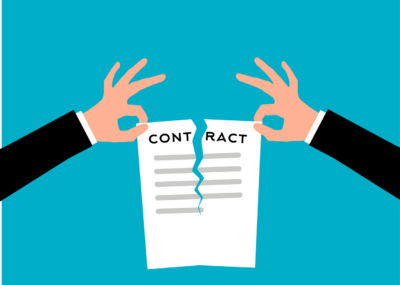 If the client can prove that you had a duty of care to him or her. The next question is whether or not you broke that duty. A breach happens when someone doesn’t act with the same level of care that a normal person would in the same or similar situation.
 Damages

 Communicate
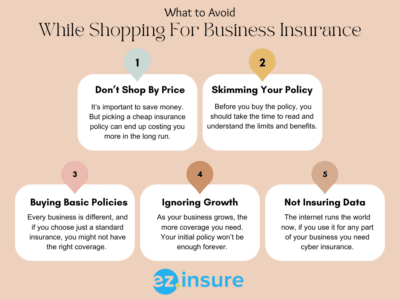
 Shopping for insurance for a small business can be difficult and time consuming, especially for new businesses. Your business insurance needs and risks vary a lot more than individual insurance does. Running a business can feel like walking through a trap, where every step could be a mistake. It’s easy to spend too much on some things and forget about important responsibilities. If you own or run a business, you need to make sure you have the right kind of insurance. But there are a lot of plans to choose from, and it can be hard to know what you need. Many business owners make decisions about business insurance too quickly, which leads to problems in the long run. Cutting corners in an attempt to save time and money can actually backfire and cost you more money and time than you bargained for. When you’re shopping for business insurance, avoid these common mistakes.


 Our insurance experts can point out any mistakes you might be making with how you classify your employees that could cause your insurance rates to go up. For example, if you mistakenly label an employee’s job as dangerous, you might be paying too much for insurance because of it. In the same way, if you mistakenly classify a freelancer as an employee, you may spend too much on Workers’ Compensation Insurance for that person.
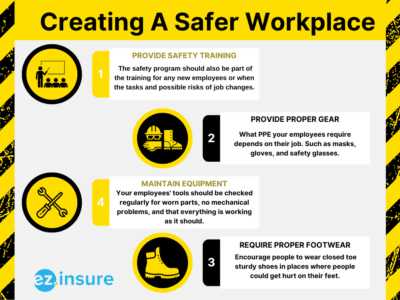
 A serious injury at work can have a big effect on you and your business. It’s more common than you might think. So far in 2023, employers have reported 4.26 million non-fatal workplace injuries. Even though that seems like a lot, the number of work injuries has been steadily decreasing. That’s because more and more employers are starting to implement better safety programs. As an employer it’s your responsibility to keep your employees safe. Taking care of safety issues at work might seem expensive at first, but in the long run safe workplaces save more money as well as lower


 If everything has been smooth sailing for your business so far, then that’s great! We don’t want to be the bearers of bad news but we have to remind you that things can go wrong. Which is why you have to maintain your commercial insurance policies. It could be a major mistake to believe that you will likely never have to use your insurance policies or that the cost of premiums is not worthwhile. Insurance claims are more common, and costly, than you might expect.

 Fires

 Unfortunately, not all commercial insurance claims procedures are straightforward. Your claim may be rejected for a variety of reasons. For example, if the insurance company suspects fraud, if the claim is not covered by your policy, or if you did not submit the claim quickly enough, it could be denied. There are, however, alternatives to filing a lawsuit in this situation. If your claim is denied, you can write a response letter to your insurance company explaining why you believe the denial was incorrect. To do this, you have to maintain accurate records of all pertinent information before and after the incident. If you require additional assistance, do not hesitate to contact a state insurance regulator for direction.